
Two Headlines, One Strategy
Two stories crossed the wire this week that, at first glance, have nothing to do with each other. Nationally, new data shows the single-family rental is on the decline as the market shifts toward multifamily. Meanwhile, an investment team including Related Group and Elliott Investment Management won the bid for the roughly $8 billion redevelopment of St. Petersburg's 86-acre Historic Gas Plant District. One story is about a category quietly retreating; the other is about capital pouring into large-scale, mixed-use development. Read together, they point to the same conclusion about where to invest in Miami real estate now.
Signal One: The Rental Mix Is Rotating
The decline of the single-family rental is not a decline in rental demand — it is a shift in how that demand is being housed. As homeownership costs rise (median prices just hit a record and monthly payments turned up for the first time in eight months), more households rent for longer. But the supply answering that demand is increasingly multifamily rather than scattered single-family homes. For investors, that is a directional tell:
- Density is where the yield is heading. Multifamily and condo-rental strategies capture the renter wave more efficiently than one-off houses.
- Operational scale matters. Concentrated units are cheaper to manage and finance than dispersed single-family portfolios.
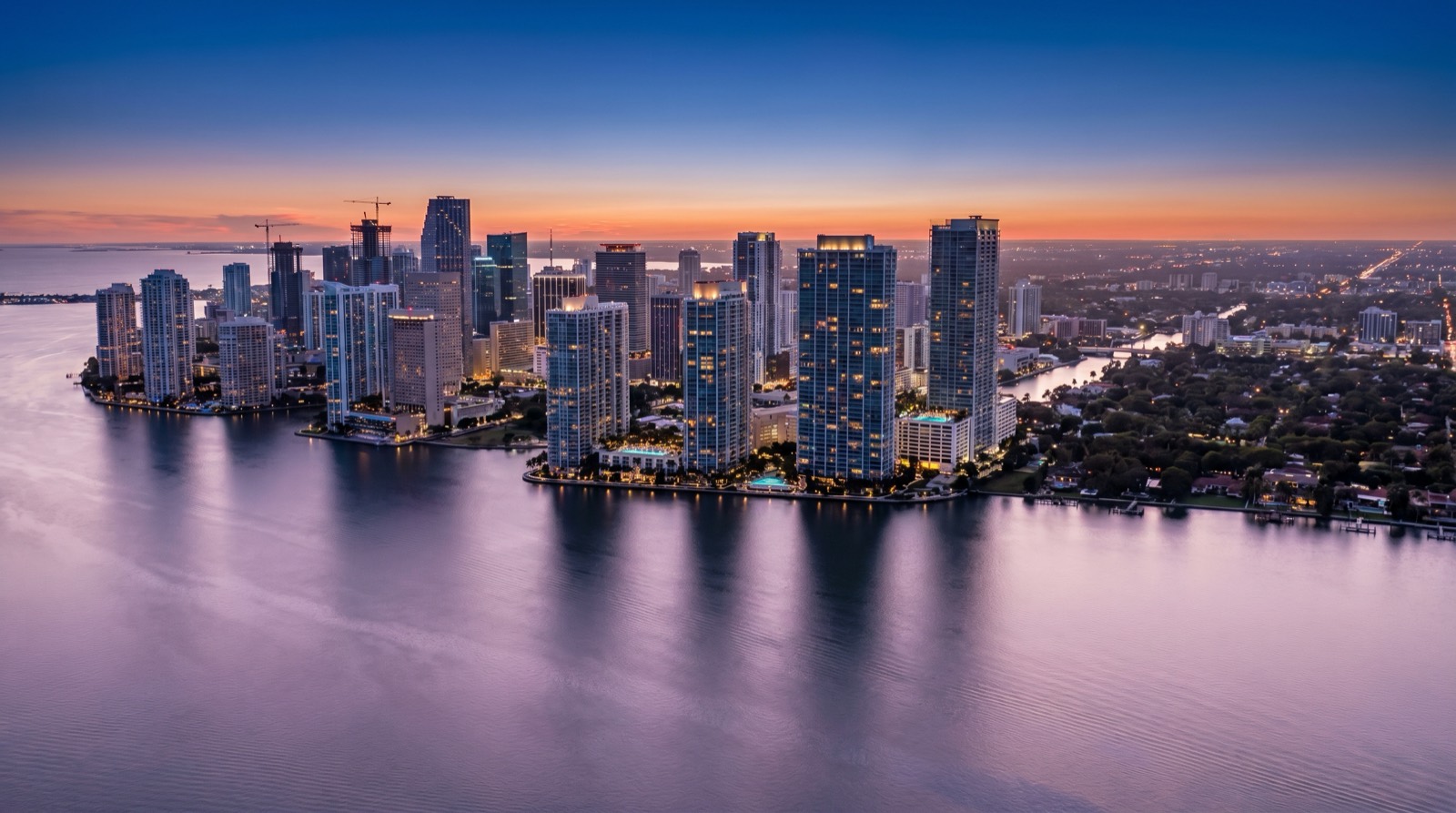
- Miami's core neighborhoods fit the thesis. Edgewater, Brickell and the urban corridors are built for exactly this density-driven rental demand.
Signal Two: Big Capital Is Underwriting the Future
When groups like Related and Elliott commit to an $8 billion mixed-use megaproject, they are making a long-duration bet on Florida's growth trajectory. That kind of institutional conviction does not chase yesterday's prices — it underwrites the next decade of population and job growth across the state. Locally, the same appetite shows up in deals like a REIT anchoring a new Edgewater condo project with an 11,500-square-foot restaurant lease, and in sophisticated buyers stepping into distressed hospitality assets — including a Miami Beach hotel that changed hands for a token $100 credit bid out of a $205 million foreclosure. Distress at the bottom and mega-development at the top are two sides of the same repricing.
The Playbook These Signals Suggest
- Favor density over dispersion. Position in multifamily and urban condo-rental product, not scattered single-family rentals.
- Follow institutional footprints. Buy near where large mixed-use capital is committing; infrastructure and amenities follow the megaprojects.
- Watch the distressed pipeline. Repositioning and adaptive-reuse plays are where value-add returns are being manufactured right now.
- Underwrite for the renter decade. With ownership costs rising, durable rental demand is the safer half of the Miami thesis.
How to Act — With or Without a License
The opposing headlines agree on one thing: capital is rotating toward dense, well-located, rental-driven Miami real estate, and it is moving now. Investors who position ahead of that rotation — in multifamily, urban condos, and repositioning plays near institutional projects — are buying into demand that rising rates only strengthen.
For agents across Latin America, you do not need a Florida license to participate. Introduce your qualified clients to these Miami opportunities through the USA Investment Club referral model and earn a share of the commission when the deal closes. Join USA Investment Club and turn these market signals into referral income.