
When the World's Wealth Wants a Safe Harbor, It Sails to Miami
Two recent transactions, very different on the surface, tell the same story about global capital and South Florida. A Brazilian soccer legend and a Silicon Valley venture capitalist both just committed serious money to Miami real estate — and their choices map almost perfectly onto the logic that draws international buyers to this market year after year.
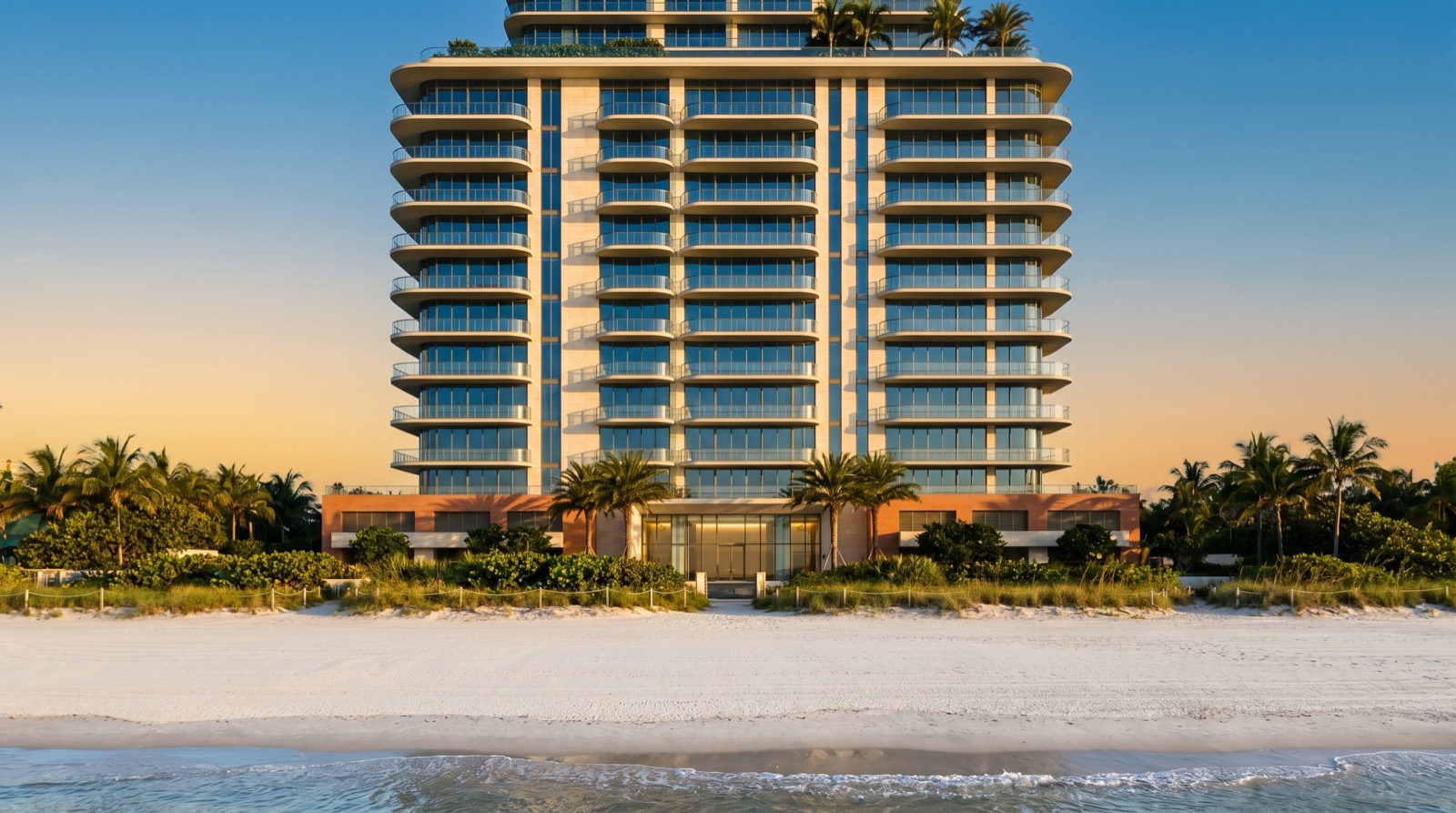
Ricardo Izecson dos Santos Leite, the retired FIFA World Player of the Year known worldwide as Kaká, purchased an $8.7 million unit on the 14th floor of Oceana Bal Harbour. On the same coastline, venture capitalists Ben Ling and Chris Coudron paid roughly $40 million for a waterfront teardown on Palm Island — the parcel directly next to a mansion compound they already own.
Kaká in Bal Harbour: The Flight to Prestige and Stability
Kaká's purchase is a case study in why South Florida remains the default destination for Latin American wealth. Bal Harbour is one of the most exclusive enclaves on the entire U.S. coastline — oceanfront, walkable to luxury retail, and insulated by scarcity of supply. For a Brazilian buyer, an Oceana unit is not just a home; it is a hard-currency asset held in a stable jurisdiction, a hedge against the volatility that has repeatedly eroded wealth across the region.
This is the enduring international thesis in one transaction. Buyers from Brazil, Argentina, Colombia, Mexico, and beyond are not chasing quick flips. They are converting local-currency net worth into U.S.-dollar hard assets in a market with deep liquidity, transparent title, and no state income tax. Kaká simply did it at a level that made headlines.
Why the Latin American Corridor Keeps Widening
- Currency protection. A Miami condo priced and rented in dollars shields wealth from peso, real, and bolivar swings.
- Legal certainty. Clear title, enforceable contracts, and a mature legal system reduce the risk that unsettles buyers in their home markets.
- Lifestyle and proximity. Direct flights, a Spanish- and Portuguese-speaking business culture, and world-class amenities make Miami feel like home with an American passport of stability.
The Palm Island Play: How the Ultra-Wealthy Compound Advantage
The $40 million teardown next door tells a different but complementary story. Ling and Coudron did not buy a finished trophy home — they bought the lot beside their existing compound to expand it. That is how the ultra-wealthy think about scarce waterfront: not as a single purchase, but as a position to be enlarged when the adjacent parcel becomes available, whatever the headline price.
For international investors, the lesson is about scarcity, not celebrity. Guard-gated islands like Palm Island manufacture almost no new supply. Every teardown that trades resets the floor for the entire street. When capital pays $40 million simply to control the lot next door, it is a signal that the most sophisticated money views Miami's premier waterfront as a generational asset, not a trade.
What These Buyers Signal for the Rest of the Market
Marquee purchases like these are not isolated. They set comparables, attract the professional ecosystem — brokers, attorneys, lenders — that international buyers rely on, and reinforce Miami's reputation as the Western Hemisphere's wealth capital. When a global icon and a top-tier fund investor both plant flags on the same coastline in the same season, the message to every buyer watching from abroad is that they are early, not late.
You do not need $8 million or a compound on Palm Island to participate. Below the trophy tier, the same dynamics — dollar-denominated safety, scarce supply, tax efficiency, and relentless global demand — play out across condos and income properties at far more accessible price points. The buyers making headlines are simply the visible edge of a much broader flow of international capital into Miami.
Turn Miami's Momentum Into Commission — No U.S. License Required
You don't need a Florida real estate license to profit from the deals reshaping this market. The USA Investment Club referral model lets international agents and connectors introduce buyers to Miami opportunities and earn a real commission on every closing — while a licensed U.S. team handles the transaction end to end. If your network includes investors watching Miami, that's income you're leaving on the table. Join USA Investment Club and start earning on the next wave of South Florida deals.